



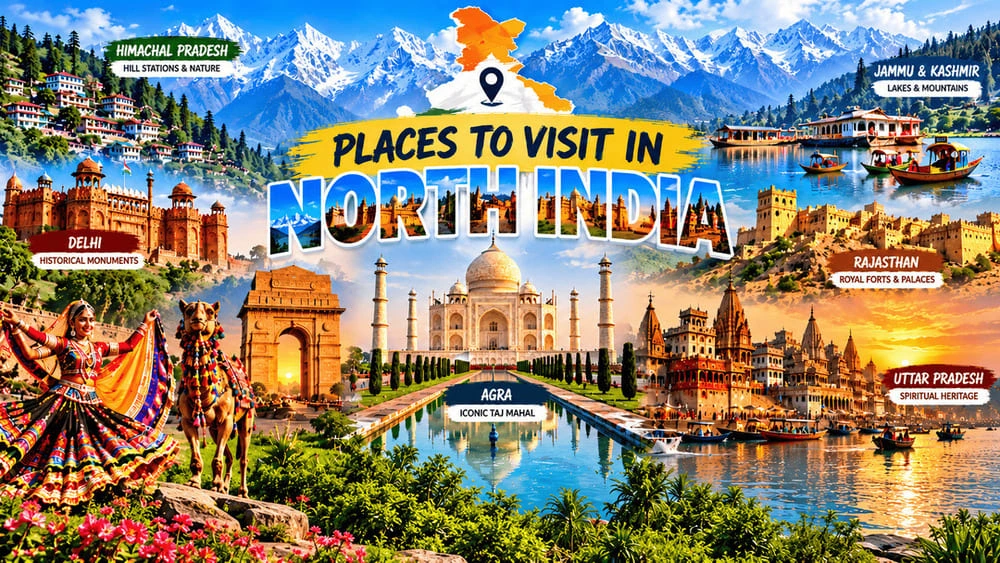
North India is a region of remarkable contrasts, where ancient cities, royal palaces, sacred rivers, Himalayan mountains and vibrant local traditions come together. From exploring the historic streets of Delhi and admiring the Taj Mahal in Agra to discovering the colourful forts of Rajasthan and the peaceful valleys of Himachal Pradesh, every destination offers a different perspective on India’s history and culture.
For travellers planning a holiday, North India offers experiences for almost every interest. History enthusiasts can explore centuries-old monuments and architectural landmarks, nature lovers can discover mountain valleys and national parks, and food lovers can experience regional cuisines that reflect the traditions of different states. Religious destinations, adventure activities, heritage hotels and welcoming homestays add even more variety to the journey.
If you are searching for the best places to visit in North India, this comprehensive guide will help you discover famous tourist destinations, historical sites, hill stations, traditional food, regional clothing, wildlife attractions and practical travel information. Whether you are planning a short holiday, a family vacation, a cultural trip or a longer journey through the Himalayas, you will find ideas to help you create a memorable itinerary.
Table of Contents
| 1. Discover North India 2. States and Regions of North India 3. Best Places to Visit in North India 4. Famous Tourist Places in North India by State 5. Famous Historical Monuments in North India 6. North India Heritage Tourism and Architecture 7. Traditional North Indian Food 8. North Indian Traditional Clothing and Ethnic Wear 9. Best Hotels and Accommodation in North India 10. Best Trekking Places and Adventure Activities 11. Wildlife Sanctuaries and National Parks in North India 12. Nature Destinations, Hill Stations and Camping 13. Famous Pilgrimage Places in North India 14. Hindu Temples, Sikh Religious Sites and Buddhist Monasteries 15. Best Time to Visit North India 16. North India Travel Itinerary 17. North India Travel Budget 18. How to Travel Around North India 19. Essential Travel Tips 20. Explore More Places to Visit in India 21. Frequently Asked Questions |
Discover North India
North India is one of the most rewarding regions to explore if you want to experience India’s historical, cultural and geographical diversity. Its landscapes extend from the plains of the Ganges and the desert regions of Rajasthan to the forests, valleys and high mountains of the Himalayas.
The region is home to historic capitals, important pilgrimage centres, traditional markets, mountain communities and some of India’s most recognisable monuments. Delhi and Agra introduce visitors to significant periods of Mughal history, while Jaipur, Udaipur and Jodhpur showcase Rajasthan’s royal architectural heritage.
Further north, Himachal Pradesh and Uttarakhand attract travellers with their mountain scenery, trekking routes and hill stations. Jammu and Kashmir and Ladakh offer lakes, valleys, monasteries and dramatic high-altitude landscapes.
Why Visit North India?
History and architecture: Explore Mughal monuments, Rajput forts, royal palaces, ancient temples and historic urban centres.
Nature and adventure: Discover Himalayan trekking routes, forest trails, scenic lakes, camping destinations and outdoor activities.
Culture and traditions: Experience regional festivals, folk music, traditional clothing, handicrafts and local markets.
Food experiences: Sample Punjabi specialities, Rajasthani dishes, Awadhi cuisine, Himachali meals and traditional Garhwali and Kumaoni food.
Spiritual journeys: Visit Varanasi, Haridwar, Rishikesh, Amritsar, Mathura, Vrindavan and other religious destinations.
Accommodation choices: Choose from budget hotels, family stays, luxury resorts, mountain retreats and heritage properties.
North India is not a single, uniform cultural destination. Each state has its own identity, making regional travel particularly rewarding.
States and Regions of North India
The geographical definition of North India varies across administrative and cultural contexts. For travel planning, this guide covers Delhi, Haryana, Himachal Pradesh, Punjab, Rajasthan, Uttar Pradesh, Uttarakhand, Jammu and Kashmir, and Ladakh. Chandigarh is also an important destination in the wider northern travel circuit.
Delhi: Historic Landmarks and Modern City Life
Delhi combines ancient monuments, traditional markets, museums, religious sites and modern neighbourhoods. It is also a major transport hub for travellers beginning a North India trip.
Rajasthan: Royal Heritage and Desert Landscapes
Rajasthan is famous for its forts, palaces, desert cities, colourful festivals, handicrafts and distinctive food traditions.
Uttar Pradesh: Historical Cities and Spiritual Traditions
Uttar Pradesh offers the Taj Mahal in Agra, the historic ghats of Varanasi, the religious destinations of Mathura and Vrindavan, and the cultural heritage of Lucknow.
Punjab: Sikh Heritage and Regional Cuisine
Punjab is known for its agricultural landscapes, vibrant cultural traditions, Punjabi cuisine and important Sikh religious destinations.
Haryana: Religious History and Rural Traditions
Haryana offers historic and religious destinations, including Kurukshetra, alongside modern urban centres and traditional communities.
Himachal Pradesh: Himalayan Valleys and Hill Stations
Himachal Pradesh attracts visitors with Shimla, Manali, Dharamshala, Spiti Valley, mountain villages, forests and adventure opportunities.
Uttarakhand: Mountains, Rivers and Pilgrimage Routes
Uttarakhand combines hill stations, sacred rivers, forest landscapes and important Himalayan pilgrimage destinations.
Jammu and Kashmir: Lakes, Gardens and Mountain Scenery
Jammu and Kashmir is known for Srinagar, Dal Lake, mountain valleys, historic gardens and distinctive regional food and crafts.
Ladakh: High-Altitude Landscapes and Buddhist Heritage
Ladakh offers monasteries, mountain passes, lakes, traditional settlements and high-altitude desert scenery. Travellers should allow time for acclimatisation and check road and permit requirements.
Best Places to Visit in North India
Choosing the best destination depends on your interests, available time and preferred travel style. The following places offer an excellent introduction to the region.
Delhi: A Journey Through History
Delhi is a natural starting point for many North India itineraries. The city brings together historic architecture, cultural institutions, traditional markets and contemporary urban life.
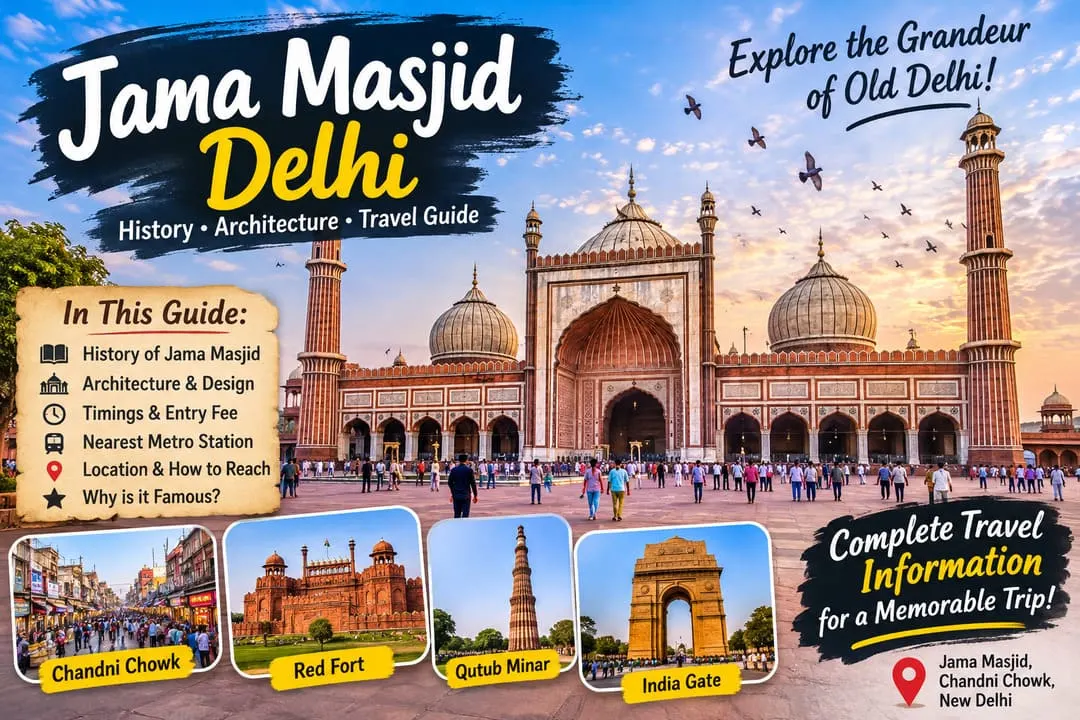
Visit the Red Fort, Qutub Minar, Humayun’s Tomb and India Gate. Explore Chandni Chowk for local food and shopping, or spend time in the city’s museums and historic neighbourhoods.
Delhi is also an excellent place to discover North Indian cuisine, including chole bhature, parathas, kebabs and traditional sweets.
Best for: History, food, shopping, museums and city exploration.
Agra: The Taj Mahal and Mughal Architecture
Agra is among India’s most famous tourist destinations because of the Taj Mahal, a UNESCO World Heritage Site admired for its marble architecture and intricate decorative work.
Other attractions include Agra Fort and Fatehpur Sikri, which provide further insight into Mughal history. Visitors interested in photography often prefer an early visit to the Taj Mahal, subject to the monument’s official opening arrangements.
Best for: Historical monuments, architecture and cultural tourism.
Jaipur: The Pink City
Jaipur is one of the highlights of Rajasthan heritage tourism. Its historic forts, palaces, markets and traditional crafts attract visitors throughout the year.
Explore Amber Fort, Hawa Mahal, City Palace and Jantar Mantar. Local markets offer textiles, jewellery, handicrafts and regional products.
Jaipur can easily be combined with Delhi and Agra as part of the Golden Triangle route.
Best for: Royal heritage, shopping, architecture and culture.
Varanasi: Spiritual Heritage Along the Ganges
Varanasi is known for its historic riverfront, temples, traditional crafts and long-standing religious traditions.
Visitors can explore the ghats, observe religious ceremonies respectfully and learn about the city’s cultural history through guided walks. The city is also associated with Banarasi silk and a distinctive food culture.
Best for: Spiritual travel, history, traditional crafts and cultural experiences.
Amritsar: Sikh Heritage and Punjabi Culture
Amritsar is home to Sri Harmandir Sahib, widely known as the Golden Temple. The site is an important centre of Sikh worship and community service.
Visitors can also explore Jallianwala Bagh, the Partition Museum and local food markets. Respectful behaviour and appropriate clothing are important when visiting religious places.
Best for: Sikh heritage, history, food and cultural learning.
Shimla and Manali: Mountain Holidays
Shimla is known for its historic architecture, forested hills and central walking areas. Manali offers mountain views, river landscapes and access to outdoor activities.
Both destinations attract families, couples and nature lovers. Travel conditions can vary substantially between summer and winter, so check road access and weather forecasts before booking.
Best for: Hill stations, mountain scenery and outdoor activities.
Rishikesh and Nainital: Nature and Relaxation
Rishikesh offers riverfront scenery, yoga centres, temples and adventure activities when permitted by local conditions. Nainital is known for its lake, surrounding hills and relaxed holiday atmosphere.
These destinations can suit travellers seeking shorter breaks, although mountain road journeys may take longer than expected.
Best for: Nature, wellness, family holidays and weekend trips.
Srinagar and Ladakh: Dramatic Himalayan Landscapes
Srinagar is known for Dal Lake, Mughal gardens and the surrounding Kashmir Valley. Ladakh offers a different landscape of high-altitude deserts, Buddhist monasteries, lakes and mountain passes.
Both destinations require careful seasonal planning. Check current travel advisories, permits, road conditions and altitude-related guidance before departure.
Best for: Scenic travel, photography, mountain landscapes and cultural experiences.
Udaipur and Jaisalmer: Rajasthan’s Royal Cities
Udaipur is famous for its lakes and palaces, while Jaisalmer is known for golden sandstone architecture and desert landscapes.
These destinations are excellent for travellers interested in heritage hotels, historic neighbourhoods, traditional markets and regional food.
Best for: Heritage tourism, architecture, photography and cultural experiences.
Famous Tourist Places in North India by State
Exploring North India state by state helps travellers discover destinations beyond the most famous cities.
| State or territory | Places to explore | Main travel interests |
| Delhi | Red Fort, Qutub Minar, Humayun’s Tomb | History, architecture and food |
| Rajasthan | Jaipur, Udaipur, Jodhpur, Jaisalmer | Forts, palaces, desert heritage |
| Uttar Pradesh | Agra, Varanasi, Lucknow, Mathura | History, culture and spirituality |
| Punjab | Amritsar, Anandpur Sahib, Patiala | Sikh heritage and food |
| Haryana | Kurukshetra, Pinjore | Religious history and gardens |
| Himachal Pradesh | Shimla, Manali, Dharamshala, Spiti | Mountains, trekking and adventure |
| Uttarakhand | Rishikesh, Haridwar, Nainital, Mussoorie | Pilgrimage, nature and hill stations |
| Jammu and Kashmir | Srinagar, Gulmarg, Pahalgam | Lakes, gardens and mountain scenery |
| Ladakh | Leh, Nubra Valley, Pangong Lake | Monasteries and high-altitude landscapes |
| Chandigarh | Rock Garden, Sukhna Lake | Urban design, gardens and architecture |
These are suggested starting points rather than a complete list of every destination. Smaller towns and rural areas can also provide valuable cultural and nature experiences.
Famous Historical Monuments in North India
North India contains monuments that reflect different periods of architecture, political history, religious life and artistic development.
Taj Mahal, Agra
The Taj Mahal is a celebrated example of Mughal architecture, combining a carefully planned garden setting, white marble, decorative stonework and symmetrical design.
Red Fort, Delhi
The Red Fort is a major Mughal-era monument with monumental gates, courtyards and historic structures. It also holds an important place in India’s modern national history.
Qutub Minar, Delhi
Qutub Minar is a medieval minaret surrounded by an archaeological complex. Its construction and decorative features reveal important aspects of Indo-Islamic architecture.
Humayun’s Tomb, Delhi
Humayun’s Tomb is a landmark of Mughal garden-tomb architecture. Its design influenced the development of later monumental structures in the region.
Fatehpur Sikri, Uttar Pradesh
Fatehpur Sikri was developed as a Mughal capital under Emperor Akbar. Its palaces, gateways, courtyards and religious structures offer insight into historical court life and urban planning.
Amer Fort, Jaipur
Amer Fort combines defensive structures, palaces, courtyards and decorative interiors. Its location overlooking the surrounding landscape makes it a major Rajasthan heritage attraction.
Mehrangarh Fort, Jodhpur
Mehrangarh Fort is known for its imposing walls, historic palaces and museum collections. It also provides views across Jodhpur’s distinctive urban landscape.
Chittorgarh Fort, Rajasthan
Chittorgarh Fort is an extensive historic complex associated with Mewar’s history. Its gateways, temples, towers and palaces reveal the scale of the region’s historical fortifications.
Jantar Mantar, Jaipur
Jantar Mantar is a historic astronomical observatory whose instruments demonstrate how observations and measurements were carried out before modern electronic technology.
North India Heritage Tourism and Architectural Heritage
North India heritage tourism allows visitors to explore the architecture, craftsmanship and historical development of the region.
Mughal monuments, Rajput forts, traditional havelis, Sikh religious complexes, Hindu temples, Buddhist monasteries and colonial-era buildings each tell different stories about the communities that built and used them.
Mughal Architecture
Mughal architecture is associated with gardens, domes, monumental gateways, decorative stonework and carefully planned layouts. The Taj Mahal, Humayun’s Tomb and Agra Fort are among the best-known examples.
Rajput Architecture
Rajasthan’s forts and palaces demonstrate the region’s distinctive architectural heritage. Defensive walls, courtyards, carved balconies and decorative interiors are prominent features, although designs vary across locations and historical periods.
Religious Architecture
North India includes significant Hindu temples, Sikh gurdwaras, mosques, Buddhist sites, Jain monuments and churches. These places often remain active centres of worship and community life.
Traditional Streets and Historic Cities
The historic neighbourhoods of Delhi, Varanasi, Jaipur and Jaisalmer are important parts of the region’s heritage. Markets, residential streets and traditional buildings reveal how cities have evolved over time.
When visiting these places, respect local residents, follow photography rules and avoid littering or disturbing active religious ceremonies.
Traditional North Indian Food
Traditional North Indian food varies considerably between states, communities and local environments. Regional ingredients, agriculture, climate and historical influences have shaped the dishes served today.
Punjabi Cuisine
Punjab is known for hearty meals, breads, lentils, dairy-based dishes and tandoori cooking.
Popular dishes include chole bhature, Amritsari kulcha, dal makhani and sarson da saag with makki di roti. Lassi and regional sweets are also widely enjoyed.
Rajasthani Cuisine
Rajasthani food reflects local ingredients and traditions shaped by the region’s climate.
Dal baati churma, gatte ki sabzi and ker sangri are well-known specialities. Regional sweets and snacks are also important parts of local food culture.
Himachali Cuisine
Himachali food includes traditional festive meals, lentil dishes, local grains and regional preparations.
Dham is associated with ceremonial dining in parts of Himachal Pradesh, while siddu is a traditional preparation found in some areas. Recipes vary between valleys and communities.
Garhwali and Kumaoni Cuisine
Uttarakhand’s regional cuisines include dishes such as kafuli, chainsoo and bhatt ki churkani. Local grains, pulses, seasonal vegetables and herbs are important ingredients.
Awadhi Cuisine of Uttar Pradesh
Lucknow is famous for Awadhi cooking, including kebabs and slow-cooked preparations. Agra and Varanasi have their own distinctive food cultures, including sweets, snacks and traditional street food.
Kashmiri Cuisine
Kashmiri cuisine includes rice-based meals, aromatic preparations and dishes associated with different communities. Wazwan is a traditional multi-course feast linked with Kashmiri Muslim culinary heritage.
Delhi’s Food Culture
Delhi offers a mixture of regional cuisines, including chaat, parathas, kebabs, chole bhature and traditional sweets. Its markets and neighbourhood eateries provide a broad introduction to North Indian food.
Trying local cuisine is one of the most rewarding ways to understand a destination. Choose reputable food establishments and ask about ingredients if you have dietary restrictions or allergies.
North Indian Traditional Clothing and Ethnic Wear
Traditional North Indian clothing reflects regional identity, climate, textile crafts and community customs. Garments vary between states and may be worn for everyday activities, festivals, weddings or religious ceremonies.
Traditional Dresses of Punjab
Punjabi clothing includes salwar kameez, kurta-pajama and a range of traditional textiles. Phulkari embroidery is particularly associated with Punjab’s textile heritage.
Traditional Dress of Rajasthan
Rajasthan is known for colourful textiles, ghagra-choli, odhni and different regional styles of turbans and men’s clothing. Garments vary by district, community and occasion.
Himachal Pradesh Traditional Dress
Traditional clothing in Himachal Pradesh includes woollen garments, regional caps, shawls and community-specific ceremonial attire. Local weaving traditions are an important part of the state’s cultural heritage.
Uttarakhand Traditional Dress
Garhwali and Kumaoni clothing traditions differ between regions and communities. Traditional sarees, ghagras, woollen garments and regional accessories may be worn during ceremonies and cultural events.
Traditional Clothing in Uttar Pradesh and Jammu and Kashmir
Uttar Pradesh has diverse clothing traditions, including sarees, salwar kameez, kurta-pajama and regional ceremonial garments. In Jammu and Kashmir, the pheran and other woollen garments are associated with cold-weather clothing traditions.
North Indian Ethnic Wear Today
North Indian ethnic wear remains popular during weddings, festivals and cultural celebrations. Contemporary designs often combine traditional textiles and embroidery with modern cuts and materials.
These examples are broad cultural references rather than fixed dress codes. Clothing choices differ between communities and individuals, and modern fashion is common throughout the region.
Best Hotels and Accommodation in North India
North India offers accommodation for different budgets, from simple guesthouses to luxury resorts and heritage properties.
Budget Hotels in North India
Budget hotels and guesthouses can suit backpackers, solo travellers and families looking to manage expenses. Delhi, Jaipur, Agra, Amritsar and Varanasi have a range of affordable stays.
Compare recent reviews, cleanliness, location, transport connections and cancellation policies before booking.
Luxury Resorts in North India
Luxury resorts offer premium accommodation, dining, wellness facilities and scenic surroundings. Options can be found in selected Rajasthan destinations and mountain regions.
Check what is included in the room rate and whether the property is conveniently located for your itinerary.
Homestays in North India
Homestays provide opportunities to experience local hospitality and regional food. They can be especially appealing in mountain villages and smaller destinations.
Confirm road access, heating, meals, facilities and payment arrangements before travelling.
Heritage Hotels in Rajasthan
Rajasthan has heritage properties in cities such as Jaipur, Udaipur and Jodhpur. Some occupy historic havelis or former royal residences, offering architecture and interiors connected with the region’s past.
Compare facilities, renovation standards, accessibility and total prices before making a reservation.
Mountain Resorts in Himachal Pradesh
Shimla, Manali, Dharamshala and other destinations offer mountain hotels, cottages, resorts and nature-oriented accommodation.
During winter, check heating and road access. During the monsoon, verify local weather conditions and transport arrangements.
Accommodation tip: Rather than selecting a hotel solely on photographs or price, consider its location, recent guest reviews, safety, facilities and proximity to the places you plan to visit.
Best Trekking Places and Adventure Activities in North India
North India is a major destination for outdoor experiences, particularly in the Himalayan region.
Himalayan Trekking Destinations
Triund, Himachal Pradesh: A popular route near Dharamshala, known for mountain views and accessible trekking experiences relative to more demanding Himalayan routes.
Hampta Pass, Himachal Pradesh: A multi-day trek with changing mountain landscapes that requires suitable preparation and seasonal planning.
Valley of Flowers, Uttarakhand: A protected Himalayan landscape known for seasonal alpine flowers. Access depends on official opening periods and weather.
Kedarkantha, Uttarakhand: A popular trekking destination, including winter itineraries where conditions permit.
Markha Valley, Ladakh: A high-altitude trekking route that requires acclimatisation, suitable equipment and careful preparation.
North India Adventure Activities
- River rafting in Rishikesh when permitted by local conditions.
- Paragliding in Bir Billing through qualified operators.
- Skiing and snow activities in suitable Himalayan destinations.
- Mountain biking and guided nature walks in selected areas.
- Camping at authorised campsites.
- Guided excursions through mountain valleys and scenic landscapes.
Best Camping Places in North India
Camping opportunities can be found in selected areas of Himachal Pradesh, Uttarakhand, Kashmir and Ladakh. Choose designated campsites or authorised operators, and check local permissions, weather and fire restrictions.
Adventure activities should be selected according to your experience, fitness and safety requirements. Weather, road access and local restrictions can change quickly in mountain areas.
Wildlife Sanctuaries and National Parks in North India
Wildlife tourism offers opportunities to explore forests, grasslands, wetlands and mountain habitats while learning about conservation.
Jim Corbett National Park, Uttarakhand
Jim Corbett is known for its diverse habitats and association with tiger conservation. Safari availability and access depend on official park rules and seasonal arrangements.
Ranthambore National Park, Rajasthan
Ranthambore is a well-known wildlife destination associated with tiger safaris and a landscape of forests, lakes and historic ruins.
Dudhwa National Park, Uttar Pradesh
Dudhwa protects important Terai habitats and supports a variety of wildlife. Visitors should check current access arrangements before planning a safari.
Rajaji National Park, Uttarakhand
Rajaji contains forest habitats and is known for its wildlife, including elephants. Access and permitted activities vary by area and season.
Great Himalayan National Park, Himachal Pradesh
This protected area is important for Himalayan biodiversity and mountain ecosystems. It is particularly relevant to visitors interested in conservation and nature-based travel.
Wildlife Travel Responsibly
Use authorised booking channels, follow guide instructions, never feed wild animals and avoid operators who promise guaranteed sightings. Respecting wildlife is more important than getting a photograph.
North India Nature Destinations and Hill Stations
North India has a wide variety of natural landscapes, from mountain lakes and forests to high-altitude deserts and arid regions.
Mussoorie, Uttarakhand
Mussoorie offers scenic viewpoints, walking areas and access to nearby natural attractions.
Dharamshala and McLeod Ganj, Himachal Pradesh
These destinations combine mountain scenery, Tibetan cultural influences, monasteries and walking routes.
Spiti Valley, Himachal Pradesh
Spiti is known for its high-altitude desert landscapes, traditional settlements and Buddhist monasteries. Road access and weather conditions require careful planning.
Gulmarg, Jammu and Kashmir
Gulmarg attracts visitors interested in mountain scenery and snow activities when conditions permit.
Nubra Valley, Ladakh
Nubra Valley offers dramatic landscapes, mountain views and traditional settlements. Allow time for acclimatisation and check permits and road conditions.
Thar Desert, Rajasthan
The Thar Desert provides opportunities to explore historic settlements, desert landscapes and regional cultural traditions. Choose responsible operators and avoid activities that damage fragile habitats.
When exploring nature destinations, follow designated routes, carry suitable clothing and respect local conservation rules.
Famous Pilgrimage Places in North India
North India is home to important religious destinations that attract pilgrims throughout the year.
Haridwar and Rishikesh, Uttarakhand
Haridwar is known for its sacred riverfront and pilgrimage traditions. Rishikesh combines temples, ashrams, yoga centres and access to the Himalayan foothills.
Varanasi, Uttar Pradesh
Varanasi is known for its ghats, temples and long-standing religious traditions.
Mathura and Vrindavan, Uttar Pradesh
These cities are associated with Krishna traditions and become particularly busy during major religious festivals.
Vaishno Devi, Jammu
The Vaishno Devi pilgrimage is a major religious journey. Check official registration, route conditions and current travel arrangements before departure.
Amritsar, Punjab
Sri Harmandir Sahib is a major Sikh religious destination. Visitors can also learn about the traditions of community service and langar.
Buddhist Heritage Destinations
Ladakh and Himachal Pradesh contain important Buddhist monasteries, while Sarnath and Bodh Gaya form part of a wider Buddhist heritage circuit in northern and eastern India.
Famous Temples in Uttarakhand
Kedarnath, Badrinath, Gangotri, Yamunotri, Jageshwar and Neelkanth Mahadev are among the important temple destinations associated with Uttarakhand’s religious heritage.
Temple opening dates, registration arrangements, access and weather conditions can change. Verify official information before travelling.
Planning a North India Pilgrimage Tour
A pilgrimage itinerary should allow sufficient time for travel, religious activities and rest. For example, Haridwar and Rishikesh can form a shorter regional trip, while a Himalayan pilgrimage requires more careful planning.
Visitors should dress appropriately, respect photography restrictions, book accommodation in advance during busy periods and check current route and permit requirements.
Best Time to Visit North India
North India experiences significant seasonal differences. The best time depends on whether you plan to explore historic cities, visit mountain destinations, go trekking or travel for religious festivals.
October to March
These months are often suitable for visiting Delhi, Agra, Jaipur, Varanasi and many other historic cities. Winter fog and cold weather can affect transport in the plains.
April to June
Summer can be extremely hot in Delhi, Rajasthan and parts of Uttar Pradesh. Hill stations such as Shimla, Manali and Mussoorie often attract visitors looking for cooler conditions.
July to September
The monsoon brings rainfall to many parts of North India. Landscapes can become greener, but heavy rain may cause landslides, flooding and travel disruptions.
Seasonal Planning by Destination
| Destination | General travel guidance |
| Delhi and Agra | Autumn and winter are popular for sightseeing |
| Jaipur and Udaipur | Cooler months are often more comfortable |
| Shimla and Manali | Summer, winter and shoulder seasons offer different experiences |
| Uttarakhand trekking routes | Depends on the route, official opening dates and weather |
| Kashmir Valley | Choose dates based on preferred scenery and current conditions |
| Ladakh | Plan around seasonal access, altitude and road conditions |
| Rajasthan desert destinations | Cooler months are generally more comfortable |
These are broad guidelines, not guarantees of good weather. Check current forecasts and official travel advisories before departure.
North India Travel Itinerary
The best itinerary depends on how much time you have and the destinations you want to explore.
5-Day Golden Triangle Itinerary
Day 1: Explore Delhi’s historic monuments and markets.
Day 2: Travel to Agra and visit the Taj Mahal and Agra Fort.
Day 3: Continue to Jaipur.
Day 4: Visit Amber Fort, Hawa Mahal and Jaipur’s historic centre.
Day 5: Explore local markets or depart from Jaipur.
7-Day Rajasthan Heritage Itinerary
Day 1: Arrive in Jaipur.
Day 2: Explore Jaipur’s forts and palaces.
Day 3: Travel to Jodhpur.
Day 4: Visit Mehrangarh Fort and the historic city centre.
Day 5: Travel towards Udaipur.
Day 6: Explore City Palace and the lakeside area.
Day 7: Depart or extend the trip.
7-Day Himachal Pradesh Itinerary
Day 1: Arrive in Shimla.
Day 2: Explore Shimla’s historic centre and viewpoints.
Day 3: Travel to Manali.
Day 4: Explore Manali and nearby cultural attractions.
Day 5: Choose a suitable nature excursion or outdoor activity.
Day 6: Explore local markets or nearby scenery.
Day 7: Begin your return journey.
Mountain travel times can vary, so allow flexibility for weather and road conditions.
10-Day North India Itinerary
For a longer holiday, combine Delhi, Agra and Jaipur with a carefully selected mountain destination, or spend more time exploring Rajasthan.
Another option is to focus on Himachal Pradesh and Uttarakhand, combining hill stations, temples and nature destinations.
Trying to cover every state in one trip often means spending too much time travelling and too little time exploring.
North India Travel Budget
Travel costs depend on accommodation, transport, food, season, group size and activities.
The following figures are illustrative estimates for domestic travel per person per day, excluding international flights and major intercity travel. They are not live prices.
| Travel style | Approximate daily budget |
| Budget travel | ₹1,000–₹2,500 |
| Mid-range travel | ₹2,500–₹6,000 |
| Comfortable or premium travel | ₹6,000–₹15,000+ |
Actual costs can be higher in luxury resorts, remote destinations and peak-season mountain areas.
To manage your budget, compare transport options, book popular accommodation early, check the total cost of activities and leave an emergency reserve for unexpected delays.
How to Travel Around North India
North India has extensive rail, road and air connections, but journey times depend on distance, traffic, weather and local infrastructure.
By train: Indian Railways connects many major cities, including Delhi, Agra, Jaipur, Varanasi and Amritsar. Check the correct station, journey duration and booking status.
By bus: Government and private buses connect many cities and smaller destinations. Mountain routes may take longer than expected.
By air: Flights can save time when travelling longer distances, particularly between Delhi and destinations such as Srinagar or Leh.
By taxi or private car: Private transport is useful for visiting several nearby attractions or areas with limited public transport. Use reputable providers and agree on fares before departure.
On foot: Historic city centres and market areas are often best explored on foot. Wear comfortable shoes and remain aware of traffic and uneven surfaces.
Essential Travel Tips for North India
- Check weather conditions before travelling, especially in mountain areas.
- Book popular hotels and transport in advance during busy periods.
- Carry suitable clothing for the season and destination.
- Verify permits, park entry rules and pilgrimage arrangements through official sources.
- Respect local customs at temples, gurdwaras, mosques and monasteries.
- Use safe drinking water and choose reputable food establishments.
- Keep identification, booking details and emergency contacts accessible.
- Follow trekking and wildlife safety rules.
- Choose responsible accommodation and tour operators.
- Allow enough time for travel rather than rushing between distant destinations.
Responsible travel makes the experience more enjoyable while supporting local communities and helping protect cultural and natural heritage.
Explore More Places to Visit in India
India offers an incredible variety of travel experiences, from the Himalayan mountains of North India to the tropical landscapes of the South, the cultural heritage of the East and the historic cities and coastlines of the West.
If you are planning a wider journey, our complete guide to places to visit in India will help you discover destinations across the country, including famous tourist attractions, historical monuments, regional food, cultural traditions and natural landscapes.
You can also explore our regional travel guides to find destinations that match your interests. Discover the places to visit in East India for cultural heritage, tea gardens and scenic landscapes; explore the places to visit in South India for ancient temples, beaches, hill stations and backwaters; or plan a trip through the places to visit in West India for royal forts, desert destinations, historic cities and coastal holidays.
Each region offers a unique travel experience, making it easier to plan your next holiday and explore more of India’s remarkable diversity.
Conclusion
North India offers a rich combination of history, architecture, culture, food, nature and adventure. From Delhi’s historic streets and Agra’s Mughal monuments to Rajasthan’s royal cities, Punjab’s Sikh heritage, Himachal Pradesh’s mountain valleys and Uttarakhand’s pilgrimage routes, the region offers experiences for many kinds of travellers.
A memorable North India trip does not need to cover every destination. Choose places that match your interests, allow time for local food and cultural experiences, and plan transport carefully.
Use this guide as your starting point, then explore more detailed guides to individual states, cities, monuments, accommodation options, trekking routes and religious destinations. With thoughtful planning and respect for local communities, North India can offer a rewarding journey through India’s living heritage and extraordinary landscapes.
FAQs
What are the best places to visit in North India?
Delhi, Agra, Jaipur, Varanasi, Amritsar, Shimla, Manali, Rishikesh, Srinagar, Udaipur and Jaisalmer are among the region’s popular destinations. The best choice depends on your interests and travel dates.
Which are the most famous historical monuments in North India?
The Taj Mahal, Red Fort, Qutub Minar, Humayun’s Tomb, Fatehpur Sikri, Amer Fort and Mehrangarh Fort are among the region’s best-known historical landmarks.
Which North Indian states are best for mountain holidays?
Himachal Pradesh, Uttarakhand, Jammu and Kashmir, and Ladakh offer varied mountain experiences. The best destination depends on altitude, season, transport access and preferred activities.
What traditional North Indian food should I try?
Popular choices include chole bhature, Amritsari kulcha, dal baati churma, Himachali dham, Garhwali and Kumaoni dishes, Awadhi kebabs and Kashmiri specialities.
What is the traditional dress of North Indian states?
Examples include salwar kameez and phulkari textiles in Punjab, ghagra-choli and regional turbans in Rajasthan, and woollen garments and traditional caps in parts of Himachal Pradesh. Clothing varies by community and occasion.
What are the best trekking places in North India?
Triund, Hampta Pass, Valley of Flowers, Kedarkantha and Markha Valley are well-known trekking destinations. Check difficulty, season, permits and safety requirements before choosing a route.
Which national parks should I visit in North India?
Jim Corbett, Ranthambore, Dudhwa, Rajaji and Great Himalayan National Park are among the region’s notable protected areas. Check official opening arrangements and booking rules.
What are the famous pilgrimage places in North India?
Haridwar, Rishikesh, Varanasi, Mathura, Vrindavan, Amritsar and Vaishno Devi are major pilgrimage destinations. Uttarakhand also contains important Himalayan temples, including Kedarnath and Badrinath.
Where can I find heritage hotels in Rajasthan?
Jaipur, Udaipur, Jodhpur and other historic cities have heritage properties in a range of price categories. Compare facilities, location, reviews and cancellation policies before booking.
How many days are enough to explore North India?
Five to seven days can cover a compact route such as Delhi, Agra and Jaipur. Ten to fourteen days allow more time for a regional journey or a combination of heritage and mountain destinations.
What is the best time to visit North India?
October to March is popular for many historic cities, while mountain destinations have different seasonal conditions. Check local weather, road access and official travel information before finalising your plans.