



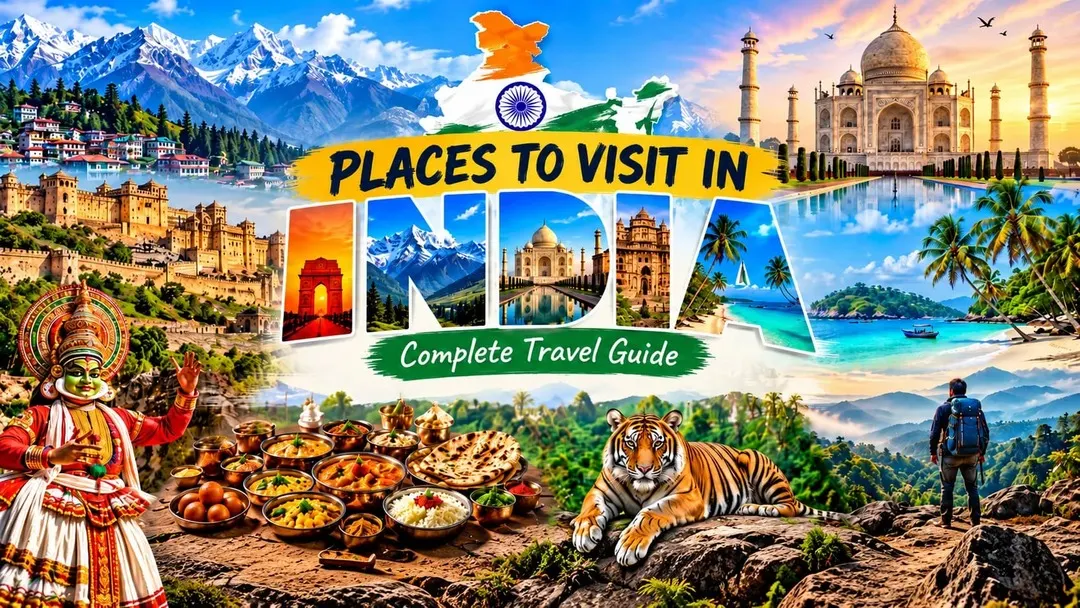
India is a country where every journey brings something new. You can watch the sunrise over the Himalayas, walk through the historic streets of Delhi, explore the colourful palaces of Rajasthan, relax on the beaches of Goa, discover ancient temples in South India, or enjoy the peaceful landscapes of Northeast India. From bustling cities and quiet villages to dense forests and beautiful coastlines, India offers travel experiences for almost every kind of traveller.
If you are searching for the best places to visit in India, this guide will help you discover destinations across the country, understand what makes each region special, and plan a trip that suits your interests, time and budget.
This complete India travel guide covers travel destinations in India, Indian states and cities, historical attractions, natural landscapes, Indian culture and traditions, regional food, wildlife tourism, adventure activities, hotels and resorts, and practical travel-planning advice.
Whether you are visiting India for the first time or exploring your own country, there is always another destination waiting to be discovered.
Table of Contents
| 1. Why Visit India? 2. Understanding India’s Regions and States 3. Best Places to Visit in North India 4. Best Places to Visit in South India 5. Best Places to Visit in East India 6. Best Places to Visit in West India 7. Best Places to Visit in Central India 8. Best Places to Visit in Northeast India 9. Famous Cities to Visit in India 10. Indian Culture, Traditions and Heritage 11. Indian Food and Regional Cuisine 12. Wildlife Tourism in India 13. Adventure Tourism in India 14. Best Hill Stations and Beaches in India 15. Best Time to Visit India 16. How to Plan a Trip Across India 17. India Travel Itinerary Ideas 18. India Travel Budget 19. Hotels and Resorts in India 20. Travel Tips for India 20. Frequently Asked Questions |
Why Visit India?
India is one of the world’s most diverse travel destinations. Its geography, languages, architecture, food and traditions change significantly from one region to another. A journey through Rajasthan feels very different from a holiday in Kerala, while a visit to Varanasi offers a different experience from exploring the modern streets of Bengaluru.
There are several reasons why travelers choose India.
Historical monuments and architecture: India is home to magnificent forts, ancient temples, royal palaces, Buddhist monuments, and historic cities. The Taj Mahal in Agra, the forts of Rajasthan, and the ancient temples of Tamil Nadu are among its best-known attractions.
Natural beauty: Travellers can explore the Himalayas, the Western Ghats, desert landscapes, tropical forests, rivers, lakes, and beaches. Each landscape offers a different way to experience the country.
Culture and traditions: Festivals, traditional clothing, music, dance, handicrafts, and local customs reflect India’s cultural diversity. Even neighboring states can have noticeably different traditions.
Regional food: Every region has its own culinary identity. From Punjabi food and Rajasthani thalis to Bengali sweets, Gujarati snacks, Goan seafood, and South Indian dosas, food is an essential part of the travel experience.
Experiences for different budgets: India offers everything from affordable guesthouses and local transport to luxury resorts, private tours, and premium train journeys.
For first-time visitors, the best approach is to choose a few destinations that match your interests instead of trying to see the entire country in one trip.
Understanding India’s Regions and States
Before exploring individual destinations, it helps to understand how India is geographically organized.
India has 28 states and 8 union territories. For travel planning, the country is commonly discussed in six broad regions: North India, South India, East India, West India, Central India, and Northeast India. Regional boundaries can vary depending on the context, so these divisions are practical travel groupings rather than a single official classification.
North India
North India is known for the Himalayas, historic capitals, religious destinations, royal architecture, and colorful markets.
Major destinations include Delhi, Agra, Jaipur, Varanasi, Amritsar, Shimla, Manali, Rishikesh, and Srinagar.
States and union territories commonly associated with this travel region include Himachal Pradesh, Punjab, Haryana, Uttarakhand, Uttar Pradesh, Rajasthan, Delhi, Jammu and Kashmir, and Ladakh.
South India
South India attracts visitors with its ancient temples, tropical landscapes, hill stations, beaches, backwaters, and distinctive regional cuisines.
Popular destinations include Kochi, Munnar, Alleppey, Mysuru, Hampi, Bengaluru, Chennai, Madurai, and Ooty.
The region includes Andhra Pradesh, Karnataka, Kerala, Tamil Nadu, Telangana, and the union territory of Puducherry, among other nearby island destinations often included in southern travel itineraries.
East India
East India offers historic cities, religious sites, cultural experiences, coastal destinations, and scenic mountain landscapes.
Popular places include Kolkata, Darjeeling, Puri, Bhubaneswar, Bodh Gaya, and the Sundarbans.
West Bengal, Odisha, Bihar, and Jharkhand are commonly grouped within East India.
West India
Western India combines desert heritage, vibrant cities, beaches, historic cave complexes, business centers, and distinctive food traditions.
Popular destinations include Mumbai, Goa, Udaipur, Jaisalmer, Ahmedabad, Kutch, Pune, and the Ajanta and Ellora cave complexes.
The main states and destinations associated with this region include Maharashtra, Gujarat, Goa, and Rajasthan, although Rajasthan is also frequently grouped with North India.
Central India
Central India is particularly appealing to travellers interested in wildlife reserves, ancient temples, archaeological sites, and relatively less urbanised landscapes.
Popular destinations include Khajuraho, Orchha, Bhopal, Sanchi, Kanha National Park, and Bandhavgarh National Park.
Madhya Pradesh and Chhattisgarh are the principal states commonly associated with Central India.
Northeast India
Northeast India is known for green hills, tea gardens, living cultural traditions, rivers, waterfalls, biodiversity, and distinctive local cuisines.
Popular destinations include Guwahati, Shillong, Cherrapunji, Kaziranga National Park, Tawang, Gangtok, and the landscapes of Arunachal Pradesh, Nagaland, Manipur, Mizoram, and Tripura.
The region includes Assam, Arunachal Pradesh, Manipur, Meghalaya, Mizoram, Nagaland, Sikkim, and Tripura.
Each region offers a different travel experience. Choosing one region at a time makes it easier to plan transportation, manage expenses, and explore destinations at a comfortable pace.
Best Places to Visit in North India
North India is an excellent starting point for travellers interested in history, mountains, spirituality, and some of the country’s most recognizable landmarks.
Delhi: History, Markets, and Modern City Life
Delhi brings together historic monuments, religious landmarks, traditional markets, and modern neighborhoods.
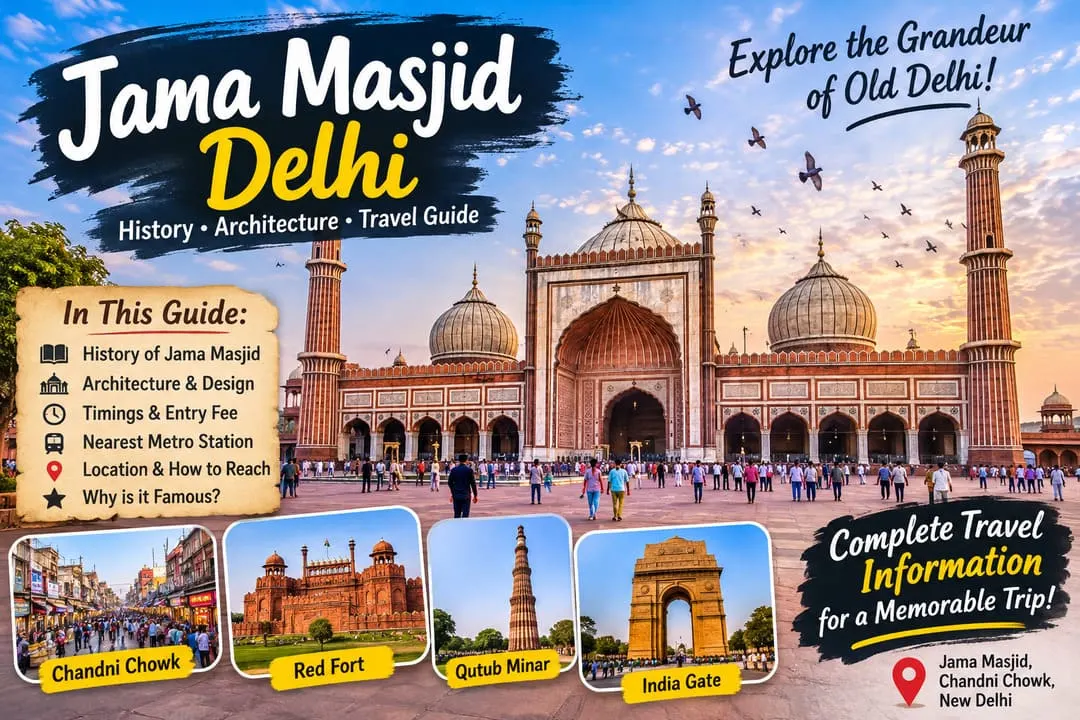
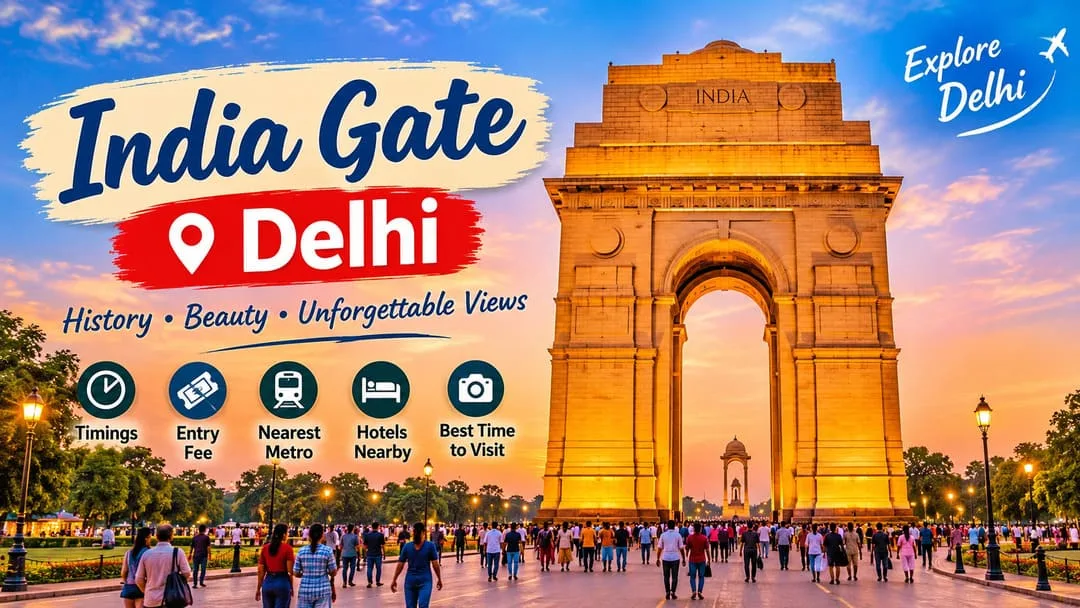
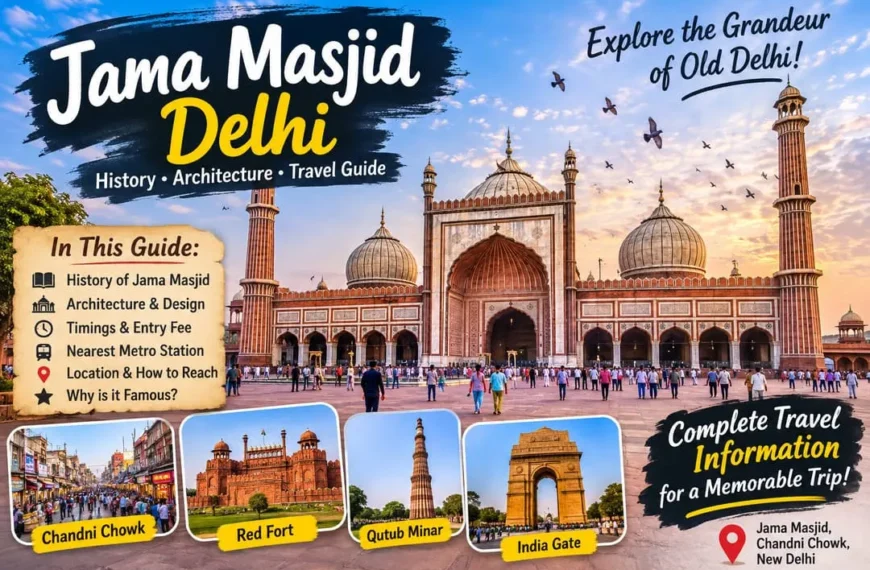
Visit the Red Fort, Qutub Minar, Humayun’s Tomb, India Gate, and the historic lanes of Old Delhi. You can also explore Chandni Chowk for street food, traditional shopping, and the atmosphere of one of the city’s busiest markets.
Delhi is a practical starting point for many India travel itineraries because it has extensive air, rail and road connections.
Best for: History, architecture, street food, shopping, and city exploration.
Agra: Home of the Taj Mahal
Agra is one of the most famous tourist destinations in India because of the Taj Mahal, a marble mausoleum recognised as a UNESCO World Heritage Site.
Other attractions include Agra Fort and Fatehpur Sikri, which can be explored as part of a broader historical trip. An early-morning visit to the Taj Mahal is popular for its softer light and cooler conditions.
Best for: Mughal architecture, history, photography and short cultural trips.
Jaipur: The Pink City
Jaipur is one of Rajasthan’s most recognisable cities. Its forts, palaces, colourful bazaars and traditional crafts make it an important destination for anyone interested in Indian heritage.
Explore Amber Fort, Hawa Mahal, City Palace and Jantar Mantar. Local markets are ideal for discovering jewellery, textiles, handicrafts and traditional Rajasthani products.
Jaipur can also be combined with Agra and Delhi for the popular Golden Triangle route.
Best for: Royal architecture, shopping, photography and cultural experiences.
Varanasi: Spiritual Traditions Along the Ganges
Varanasi is among India’s oldest continuously inhabited cities and is widely known for its spiritual importance.
Visitors can explore the ghats along the River Ganges, observe traditional rituals, walk through narrow old-city lanes and visit historic temples. The evening Ganga Aarti is a major attraction, although visitors should be respectful when observing religious ceremonies.
Best for: Spiritual tourism, culture, history and riverfront experiences.
Shimla and Manali: Mountain Escapes
Shimla is known for its colonial-era architecture, scenic surroundings and pedestrian-friendly central areas. Manali offers mountain views, rivers, cafés and access to outdoor activities in the surrounding region.
These destinations are popular during summer, while winter brings opportunities for snow-related experiences when weather and local conditions permit.
Best for: Mountain scenery, family holidays, couples and adventure activities.
Amritsar and Rishikesh
Amritsar is home to the Golden Temple, an important Sikh religious site known for its peaceful atmosphere and community kitchen. Visitors can also explore local Punjabi food and the Wagah-Attari border ceremony, subject to operating arrangements.
Rishikesh is known for yoga, riverfront settings, spiritual retreats and adventure activities such as rafting when permitted by local authorities and seasonal conditions.
Best for: Religious tourism, cultural learning, wellness and outdoor activities.
Best Places to Visit in South India
South India is an excellent choice for travellers seeking a mix of history, beaches, hill stations, temples and nature.
Kerala: Backwaters, Tea Gardens and Green Landscapes
Kerala is known for its backwaters, tropical scenery, traditional cuisine and hill stations.
Alleppey, also known as Alappuzha, is famous for its backwater experiences. Munnar offers tea plantations and mountain scenery, while Kochi combines historic neighbourhoods, coastal influences and a lively food culture.
Visitors can also explore Kerala’s traditional art forms, local markets and regional dishes.
Best for: Nature, relaxation, cultural experiences and scenic journeys.
Karnataka: Heritage and Modern Cities
Karnataka offers a wide range of travel experiences, from the technology-focused city of Bengaluru to the royal heritage of Mysuru and the historic ruins of Hampi.
Mysuru is famous for Mysore Palace and its cultural traditions. Hampi contains remarkable archaeological remains associated with the Vijayanagara Empire and is a major destination for history enthusiasts.
Coastal areas such as Gokarna also attract visitors seeking beaches and a quieter atmosphere.
Best for: Heritage, architecture, city breaks and coastal holidays.
Tamil Nadu: Ancient Temples and Coastal Heritage
Tamil Nadu is particularly well known for its Dravidian temple architecture and long cultural history.
Explore the Meenakshi Amman Temple in Madurai, the monumental Brihadeeswarar Temple in Thanjavur, and the historic coastal monuments of Mahabalipuram. Chennai offers urban attractions, beaches and access to Tamil culture and cuisine.
Best for: Temple architecture, heritage, festivals and regional food.
Andhra Pradesh and Telangana
Andhra Pradesh offers destinations such as Tirupati, Visakhapatnam and the scenic Araku Valley. These places combine pilgrimage, coastal scenery and regional cultural experiences.
In Telangana, Hyderabad stands out for its historic architecture, food and modern urban life. The Charminar, Golconda Fort and the city’s traditional markets are popular attractions.
Best for: History, pilgrimage, coastal travel and urban exploration.
Puducherry and the Andaman Islands
Puducherry is known for its coastal setting, French-influenced architecture in parts of the city, cafés and relaxed streets.
The Andaman and Nicobar Islands offer beaches, marine life, island landscapes and opportunities for water-based activities. Havelock Island, officially Swaraj Dweep, is especially well known for its beaches and diving opportunities.
Island travel requires additional planning for flights, ferries, permits where applicable and seasonal conditions.
Best for: Beaches, island holidays, relaxation and marine experiences.
Best Places to Visit in East India
East India combines cultural heritage, religious destinations, coastal attractions and distinctive natural landscapes.
Kolkata: Culture, Literature and Food
Kolkata is known for its literary traditions, colonial-era buildings, cultural institutions and food.
Popular attractions include the Victoria Memorial, Howrah Bridge, Indian Museum and historic neighbourhoods. The city is especially lively during Durga Puja, when elaborate decorations, artistic installations and community celebrations transform many areas.
Visitors should leave time to explore local sweets, street food and traditional Bengali cuisine.
Darjeeling: Tea Gardens and Himalayan Views
Darjeeling is famous for its tea estates, cool climate and views of the Himalayan mountains when weather conditions allow.
The Darjeeling Himalayan Railway is a UNESCO World Heritage Site and an important part of the area’s transport heritage. Travellers can explore tea gardens, local markets and viewpoints around the town.
Puri and Bhubaneswar: Temples and Coastal Experiences
Puri is known for the Jagannath Temple and its coastal setting. The temple is a major religious destination, with access rules that visitors should check before travelling.
Bhubaneswar is recognised for its historic temples and is often combined with Puri and Konark on an Odisha itinerary. The Konark Sun Temple is a notable architectural landmark.
Bodh Gaya: Buddhist Heritage
Bodh Gaya in Bihar is one of the world’s most important Buddhist pilgrimage destinations. The Mahabodhi Temple complex is associated with the Buddha’s enlightenment and attracts pilgrims and visitors from many countries.
This destination is particularly suitable for travellers interested in Buddhism, meditation, history and religious heritage.
Sundarbans: Mangroves and Wildlife
The Sundarbans is a vast mangrove region shared by India and Bangladesh. The Indian part is known for its unique ecosystem and wildlife, including the Bengal tiger.
Travel experiences here are shaped by waterways, forest regulations and guided excursions. Visitors should use authorised operators and follow wildlife safety guidance.
Best Places to Visit in West India
West India offers everything from royal desert cities and coastal holidays to historic caves and modern metropolitan experiences.
Mumbai: India’s Financial and Entertainment Hub
Mumbai combines historic architecture, coastal promenades, cultural institutions and a fast-moving city lifestyle.
Explore the Gateway of India, Chhatrapati Shivaji Maharaj Terminus, Marine Drive and the neighbourhoods around Colaba. The Elephanta Caves offer a historical excursion accessible by boat, subject to service conditions.
Mumbai is also a great place to experience regional street food and the city’s diverse dining scene.
Goa: Beaches, Portuguese Heritage and Relaxation
Goa is among the most popular beach destinations in India. Its appeal includes sandy beaches, coastal villages, historic churches, seafood and a distinctive cultural identity.
North Goa generally attracts visitors seeking busy beaches and nightlife, while parts of South Goa offer a quieter atmosphere. Old Goa is important for its historic churches and heritage architecture.
Choose accommodation based on your preferred pace of travel rather than assuming every part of Goa offers the same experience.
Udaipur and Jaisalmer: Rajasthan’s Royal Heritage
Udaipur is known for its lakes, palaces and scenic surroundings. Popular attractions include the City Palace and the area around Lake Pichola.
Jaisalmer offers golden sandstone architecture, historic havelis and access to the Thar Desert. Desert excursions may include cultural performances and overnight camps, but travellers should choose responsible operators and avoid activities that harm wildlife or the desert environment.
Ahmedabad and Kutch: Culture and Landscapes
Ahmedabad combines historic architecture, local markets, museums and a strong Gujarati food culture. Its historic city centre is recognised as a UNESCO World Heritage Site.
Kutch is known for its expansive salt desert landscapes, handicrafts and regional traditions. The Rann Utsav period attracts visitors to the area, although exact dates, activities and accommodation availability vary each year.
Ajanta and Ellora Caves
The Ajanta and Ellora cave complexes in Maharashtra are among India’s most remarkable heritage destinations.
Ajanta is renowned for its ancient Buddhist rock-cut caves and paintings, while Ellora includes Buddhist, Hindu and Jain monuments. These sites are ideal for travellers who want to understand India’s artistic, architectural and religious history.
Best Places to Visit in Central India
Central India is especially rewarding for travellers interested in archaeology, wildlife and cultural heritage.
Khajuraho: Remarkable Temple Architecture
Khajuraho in Madhya Pradesh is known for its medieval Hindu and Jain temples, celebrated for their detailed stone carvings and architectural design.
The temples offer insight into historical artistic traditions and religious life. A visit is most rewarding when you allow enough time to appreciate the details rather than rushing between monuments.
Orchha: A Historic Riverside Town
Orchha is known for its palaces, temples, cenotaphs and peaceful setting along the Betwa River.
Its architectural heritage makes it an appealing destination for visitors seeking a slower pace than India’s largest cities. Orchha can also be included in a broader Madhya Pradesh or Bundelkhand itinerary.
Bhopal and Sanchi
Bhopal offers lakes, museums and access to several historical attractions. Nearby Sanchi is famous for its Buddhist monuments, including the Great Stupa, which has great historical and architectural importance.
Kanha and Bandhavgarh National Parks
Kanha and Bandhavgarh are among Madhya Pradesh’s best-known wildlife destinations. Both attract visitors interested in tiger conservation and forest ecosystems.
Wildlife sightings are never guaranteed. Book safaris through authorised channels, follow park rules and respect the distance required around animals.
Best Places to Visit in Northeast India
Northeast India is an excellent choice for travellers who enjoy nature, local traditions, mountain scenery and destinations that may feel different from the country’s more heavily visited tourist circuits.
Meghalaya: Waterfalls, Caves and Green Hills
Shillong is known for its hill-station atmosphere, music culture and nearby natural attractions. Cherrapunji, also known as Sohra, is famous for its dramatic landscapes, caves and waterfalls.
The living root bridges of Meghalaya demonstrate a distinctive relationship between local communities and the natural environment. Reaching some of these attractions involves substantial walking and steps, so plan according to your fitness and weather conditions.
Assam: Tea Gardens and Wildlife
Assam is known for tea plantations, the Brahmaputra River and its rich biodiversity.
Kaziranga National Park is famous for the Indian one-horned rhinoceros. Guwahati serves as an important gateway to the region and offers access to cultural and religious attractions.
Sikkim: Himalayan Landscapes
Sikkim offers mountain scenery, monasteries, lakes and opportunities for scenic road journeys.
Gangtok is a convenient base for exploring nearby attractions. Destinations such as Tsomgo Lake and North Sikkim require careful planning because road conditions, weather and permit requirements can affect travel.
Arunachal Pradesh, Nagaland and Other States
Arunachal Pradesh is known for mountain scenery, monasteries and destinations such as Tawang. Nagaland offers distinctive cultural traditions and festivals, while Mizoram, Manipur and Tripura each have their own landscapes, food and heritage.
Because some areas have entry-permit requirements or limited transport options, check current official travel rules before finalising your itinerary.
Famous Cities to Visit in India
If you prefer city-based travel, the following destinations provide a useful starting point.
| City | Known for | Ideal travel interest |
| Delhi | Historic monuments, markets and museums | History and city life |
| Agra | Taj Mahal and Mughal heritage | Architecture |
| Jaipur | Forts, palaces and handicrafts | Culture and heritage |
| Varanasi | Ghats and spiritual traditions | Spiritual travel |
| Mumbai | Coastal attractions and entertainment | Urban exploration |
| Kolkata | Literature, festivals and Bengali cuisine | Culture and food |
| Kochi | Historic port areas and coastal culture | Heritage and relaxation |
| Mysuru | Palace architecture and traditions | Culture |
| Hyderabad | Charminar, forts and local cuisine | History and food |
| Bengaluru | Parks, cafés and modern city life | Urban holidays |
| Chennai | Temples, museums and coastal attractions | Culture and history |
| Ahmedabad | Historic architecture and Gujarati food | Heritage |
| Shillong | Hills, music and nearby waterfalls | Nature |
| Srinagar | Lakes, gardens and mountain scenery | Scenic travel |
| Guwahati | River landscapes and cultural attractions | Northeast exploration |
When choosing famous cities to visit in India, consider travel time between destinations. A city that looks close on a map may require several hours of driving or a separate train or flight journey.
Indian Culture, Traditions and Heritage
Indian culture and traditions are among the most rewarding aspects of travelling across the country. Customs, languages, food, clothing, religious practices, music and festivals vary from region to region.
Understanding a little about local traditions can make a trip more meaningful and help visitors interact respectfully with local communities.
Historical Monuments and Heritage Sites
India’s heritage includes forts, palaces, temples, mosques, churches, monasteries, archaeological sites and historic urban centres.
The Taj Mahal, Qutub Minar, Hampi, the Ajanta and Ellora Caves, and the temples of Khajuraho represent different periods and artistic traditions.
Whenever possible, read about a monument before visiting. Knowing its historical background helps you appreciate details that might otherwise be overlooked.
Festivals and Celebrations
Indian culture festivals and traditions are closely connected with local histories, seasons and religious beliefs.
- Diwali: Celebrated in many parts of India, often with lights, family gatherings and festive food.
- Holi: Known for colours, community celebrations and the arrival of spring in many regions.
- Durga Puja: Particularly prominent in West Bengal, with elaborate artistic displays and public celebrations.
- Onam: A major festival in Kerala associated with cultural programmes and traditional feasts.
- Pongal: A harvest festival celebrated especially in Tamil Nadu.
- Bihu: A group of festivals closely associated with Assam’s agricultural seasons and cultural traditions.
- Navratri: Celebrated in different ways across India, including dance traditions and religious observances.
Festival dates and local practices may differ each year. If you plan to visit during a major festival, book accommodation early and check transport arrangements.
Images of Indian Culture and Tradition
If you are looking for images of Indian culture and tradition for travel inspiration, consider photographs showing traditional dances, regional clothing, festivals, architecture, handicrafts, village life and local markets.
For your own website, use original photographs or images that you have permission to publish. Add descriptive alt text, such as “traditional Kathakali performance in Kerala” or “colourful handicrafts displayed in a Rajasthan market,” when the image genuinely depicts that subject.
Avoid using generic images that misrepresent a particular region or community. Accurate photographs help readers understand India’s diversity and make your travel guide more useful.
Responsible Cultural Travel
When visiting religious places, dress appropriately and follow local instructions about photography, footwear and restricted areas. Ask permission before taking close-up photographs of people, especially during private ceremonies.
Respecting local traditions helps ensure that tourism benefits communities without turning everyday cultural practices into something visitors feel entitled to access.
Indian Food and Regional Cuisine
Indian food and cuisine are essential parts of the travel experience. Ingredients, spices, cooking techniques and meal traditions vary widely across the country.
Trying local dishes is one of the easiest ways to understand the character of a destination.
North Indian Cuisine
North India offers rich curries, breads, grilled dishes and regional specialities.
Popular dishes include chole bhature, rajma chawal, dal makhani, parathas, kebabs and a variety of tandoori preparations. In Rajasthan, dal baati churma and gatte ki sabzi are well-known regional dishes.
South Indian Cuisine
South Indian food includes a wide range of rice-based meals, lentil preparations, fermented batters, coconut-based dishes and regional seafood.
Popular dishes include idli, dosa, uttapam, sambar, rasam and traditional meals served on banana leaves in some regions. Kerala is known for appam, puttu and regional seafood preparations, while Tamil Nadu, Karnataka, Andhra Pradesh and Telangana each have their own culinary traditions.
East Indian Cuisine
Bengali cuisine is known for its fish preparations, rice dishes and sweets such as rasgulla and sandesh.
Odisha offers dishes such as dalma and a variety of regional sweets. Bihar is known for litti chokha, while different parts of Jharkhand offer local dishes influenced by regional crops and community traditions.
West Indian Cuisine
Gujarati cuisine includes dishes such as dhokla, thepla, kadhi and regional thalis. Maharashtra is known for vada pav, misal pav and puran poli.
Goan food reflects coastal ingredients and historical cultural influences, with both seafood and vegetarian specialities. Rajasthan offers dishes adapted to its desert environment and long culinary traditions.
Northeast Indian Cuisine
Northeast Indian cuisines often use local herbs, fermented ingredients, rice, vegetables and regional meats.
Assamese food includes traditional rice dishes and fish preparations. Nagaland, Meghalaya, Mizoram, Manipur, Tripura, Arunachal Pradesh and Sikkim each have distinctive local food traditions.
Travellers should not assume that all Indian food is extremely spicy or that every region follows the same dietary practices. Ask about ingredients, allergens, spice levels and food preparation when needed.
Famous Foods from Different States of India
| State or region | Food worth trying |
| Punjab | Chole bhature |
| Rajasthan | Dal baati churma |
| Gujarat | Dhokla |
| Maharashtra | Vada pav |
| Goa | Goan fish curry |
| West Bengal | Shorshe maach |
| Odisha | Dalma |
| Bihar | Litti chokha |
| Tamil Nadu | Idli and dosa |
| Kerala | Appam with stew |
| Karnataka | Bisi bele bath |
| Telangana | Hyderabadi biryani |
| Assam | Assamese thali |
| Sikkim | Momos |
| Uttar Pradesh | Awadhi kebabs and regional chaat |
These dishes are examples rather than complete representations of each state’s cuisine. Food varies between communities, districts and households.
Wildlife Tourism in India
Wildlife tourism in India gives travellers the opportunity to explore forests, wetlands, grasslands, mountains and coastal ecosystems.
India is home to a remarkable variety of wildlife, including tigers, elephants, rhinoceroses, lions, snow leopards, crocodiles and numerous bird species.
Best Wildlife Destinations in India
Ranthambore National Park, Rajasthan: Popular for tiger safaris and its landscape of forests, lakes and historic ruins.
Jim Corbett National Park, Uttarakhand: Known for its diverse habitats, wildlife and long history of conservation.
Kaziranga National Park, Assam: Famous for the Indian one-horned rhinoceros and its grassland and wetland ecosystems.
Kanha National Park, Madhya Pradesh: Offers forest landscapes and important conservation habitats for tigers and other wildlife.
Gir National Park and surrounding protected areas, Gujarat: Associated with the conservation of the Asiatic lion.
Periyar Tiger Reserve, Kerala: Known for its forest ecosystems, lake surroundings and opportunities for authorised nature-based experiences.
Sundarbans National Park, West Bengal: Notable for mangrove forests and wildlife adapted to a tidal landscape.
Hemis National Park, Ladakh: A high-altitude destination associated with snow leopard conservation.
Wildlife sightings depend on season, weather, animal behaviour and habitat conditions. No ethical operator can guarantee a particular animal encounter.
Before booking a safari, check official park websites for opening dates, permits, vehicle rules and availability. Follow your guide’s instructions, never feed wildlife and avoid operators who encourage unsafe animal interactions.
Adventure Tourism in India
Adventure tourism in India offers experiences for beginners, experienced travellers and outdoor enthusiasts.
Trekking and Hiking
The Himalayas provide opportunities for trekking in Himachal Pradesh, Uttarakhand, Ladakh and parts of Northeast India. Popular routes vary significantly in difficulty, altitude and seasonal accessibility.
Choose a trek based on your fitness, experience and available time. Higher-altitude routes may require acclimatisation and professional guidance.
River Rafting
Rishikesh is one of India’s best-known destinations for river rafting. Other locations offer rafting opportunities under suitable seasonal conditions.
Always use licensed or otherwise appropriately authorised operators, wear the required safety equipment and follow local restrictions.
Scuba Diving and Snorkelling
The Andaman Islands and selected coastal locations offer opportunities for scuba diving and snorkelling. Water visibility, currents, weather and operator standards can affect the experience.
Beginners should choose properly qualified instructors and follow all safety requirements.
Paragliding and Other Outdoor Activities
Bir Billing in Himachal Pradesh is well known for paragliding. Other destinations offer cycling, rock climbing, kayaking, camping and mountain activities.
Before booking, check operator credentials, insurance arrangements where available, weather limits and equipment standards.
Adventure tourism should be planned around safety rather than simply choosing the activity with the most dramatic photographs.
Best Hill Stations and Beaches in India
If your ideal holiday involves mountain views or time by the sea, India has many destinations to consider.
Best Hill Stations in India
- Shimla, Himachal Pradesh: Historic architecture, mountain scenery and pleasant walking areas.
- Manali, Himachal Pradesh: Mountain views, cafés and access to outdoor activities.
- Mussoorie, Uttarakhand: Scenic viewpoints and a traditional hill-station atmosphere.
- Nainital, Uttarakhand: A lake surrounded by hills and nearby nature attractions.
- Munnar, Kerala: Tea plantations, misty landscapes and scenic drives.
- Ooty, Tamil Nadu: Gardens, mountain scenery and heritage rail experiences.
- Darjeeling, West Bengal: Tea estates, Himalayan views and the historic toy train.
- Gangtok, Sikkim: Mountain scenery, monasteries and regional culture.
The best hill station depends on your travel dates, preferred activities, road conditions and tolerance for crowds.
Best Beaches in India
- Baga and Palolem, Goa: Different beach experiences, from lively areas to more relaxed coastal settings.
- Varkala, Kerala: Clifftop scenery and a beach-oriented holiday atmosphere.
- Kovalam, Kerala: Coastal resorts and beach activities.
- Puri, Odisha: A popular coastal destination combined with religious and cultural attractions.
- Radhanagar Beach, Swaraj Dweep: Known for its beautiful natural setting in the Andaman Islands.
- Gokarna, Karnataka: Beaches and a relatively relaxed coastal atmosphere.
- Marina Beach, Chennai: A major urban beach suited to coastal walks and local experiences, with swimming conditions requiring caution.
Always follow local swimming advisories and lifeguard instructions. Strong currents, rough seas and seasonal weather can make some beaches unsafe for swimming.
Best Time to Visit India
The best time to visit India depends on the region, altitude and activities you have planned. There is no single season that is ideal for the entire country.
October to March: A Popular Period for Many Destinations
These months are often suitable for exploring Delhi, Agra, Rajasthan, Gujarat and many central and southern destinations.
The weather is generally more comfortable for sightseeing in many northern plains, although northern winters can be cold and fog may affect road, rail and air travel.
April to June: Summer and Mountain Travel
Summer can be hot in many plains and desert regions. Hill stations in Himachal Pradesh, Uttarakhand and other mountain areas often attract travellers seeking cooler conditions.
This is also a period when heat safety becomes especially important in hot-weather destinations.
June to September: Monsoon Season
The monsoon brings rain to many parts of India and can make some landscapes especially green.
Kerala, the Western Ghats and several northeastern destinations experience substantial rainfall. However, flooding, landslides, road closures and transport disruptions can affect travel.
Best Time to Visit Different Regions of India
| Region | Generally favourable travel period | What to consider |
| North India | October to March for many cities | Winter fog and cold conditions |
| Himalayan destinations | Varies by altitude and activity | Snow, road access and permits |
| South India | Often October to March | Regional rainfall differences |
| East India | Often October to March | Monsoon conditions and local festivals |
| West India | Often November to February | Summer heat in inland areas |
| Central India | Often October to April | Park opening schedules and summer heat |
| Northeast India | Often October to April for many routes | Heavy rain and changing road conditions |
| Andaman Islands | Commonly November to April | Ferry schedules and sea conditions |
These are broad planning guidelines, not guarantees of good weather. Check local forecasts and official travel advisories before departure.
How to Plan a Trip Across India
Planning a trip across India becomes much easier when you make a few decisions before booking transport or accommodation.
Step 1: Choose Your Travel Interests
Decide whether you want to focus on historical places, beaches, mountains, wildlife, food, spirituality or cultural experiences.
For example, someone interested in heritage might choose Delhi, Agra and Jaipur, while a traveller seeking nature might prefer Kerala, Meghalaya or the Himalayan region.
Step 2: Select a Region
Avoid combining destinations from opposite ends of India in a short holiday unless you have enough time and budget for flights and transfers.
A regional itinerary usually gives you more time to explore and less time travelling between destinations.
Step 3: Decide Your Travel Dates
Check the weather, festivals, school holidays, park opening periods and local access requirements.
If your dates are flexible, compare transport prices and accommodation availability before finalising the route.
Step 4: Estimate Your Budget
Calculate the expected costs of transport, accommodation, food, sightseeing, activities and emergency expenses.
Keep a contingency amount for unexpected delays or changes.
Step 5: Book Transport and Accommodation
Book essential train journeys, flights and popular accommodation in advance when travelling during busy seasons.
Use official railway and transport booking channels where possible. Read accommodation reviews carefully and verify the location before paying.
Step 6: Prepare Your Travel Documents
Carry valid identification and any required permits. International visitors should check the current Indian visa requirements applicable to their nationality and travel purpose.
Save digital copies of important bookings and keep emergency contact information accessible.
Step 7: Leave Room for Local Experiences
A good itinerary is not simply a list of famous attractions. Allow time for regional food, neighbourhood walks, local markets, museums and conversations with residents where appropriate.
Some of the most memorable parts of a trip happen when you are not rushing to the next landmark.
India Travel Itinerary Ideas
The right India travel itinerary depends on how much time you have and which experiences matter most to you.
5-Day Golden Triangle Itinerary
Day 1: Explore Delhi’s major monuments and markets.
Day 2: Travel to Agra and visit the Taj Mahal and Agra Fort.
Day 3: Travel to Jaipur and explore the city’s historic centre.
Day 4: Visit Amber Fort, Hawa Mahal and other Jaipur attractions.
Day 5: Explore local markets or continue your journey from Jaipur.
This route combines three major destinations and is suitable for travellers interested in history, architecture and culture.
7-Day Kerala Itinerary
Day 1: Arrive in Kochi and explore its historic neighbourhoods.
Day 2: Discover local markets, museums and coastal heritage.
Day 3: Travel to Munnar and enjoy the tea-growing landscape.
Day 4: Explore Munnar’s viewpoints and surrounding countryside.
Day 5: Travel towards Alappuzha or another suitable backwater destination.
Day 6: Enjoy a backwater experience or explore nearby local attractions.
Day 7: Return to your departure city, allowing enough time for transfers.
This itinerary balances culture, scenery and relaxation. Actual travel times depend on road conditions and the locations you choose.
7-Day Rajasthan Heritage Itinerary
Day 1: Arrive in Jaipur and explore the old city.
Day 2: Visit Amber Fort and other Jaipur attractions.
Day 3: Travel to Jodhpur and explore its historic centre.
Day 4: Visit Mehrangarh Fort and local markets.
Day 5: Travel towards Udaipur.
Day 6: Explore City Palace and the area around Lake Pichola.
Day 7: Continue your journey or depart from a suitable transport hub.
If you prefer desert experiences, consider extending the trip to Jaisalmer instead of trying to cover every major city in one week.
10-Day Northeast India Itinerary
Days 1–2: Explore Guwahati and nearby cultural attractions.
Days 3–4: Visit Kaziranga National Park if it is open and conditions permit.
Days 5–6: Travel towards Shillong and explore the surrounding area.
Days 7–8: Visit selected waterfalls, caves or natural attractions around Sohra.
Days 9–10: Return to Guwahati or extend the trip if transport connections allow.
This route is only a starting point. Distances, road conditions, seasonal access and park schedules can significantly affect the itinerary.
14-Day India Travel Itinerary
For a two-week holiday, choose one main region or combine two nearby regions with good transport connections.
For example, you could spend several days in Delhi, Agra and Rajasthan before adding another nearby destination. Alternatively, focus entirely on Kerala and Karnataka, combining coastal areas, heritage cities and hill stations.
A longer holiday does not automatically require more destinations. Spending three nights in one place can be more rewarding than changing hotels every day.
India Travel Budget: How Much Money Do You Need?
Your India travel budget depends on the destination, travel season, group size, accommodation standards and transport choices.
Travelling by public transport and staying in basic guesthouses can reduce costs considerably. Private transfers, premium hotels, flights, guided tours and adventure activities increase the overall expense.
The following figures are illustrative planning estimates, not live market prices. They represent approximate per-person daily spending for domestic travel and exclude major international flights.
| Travel style | Approximate daily budget |
| Budget travel | ₹1,000–₹2,500 |
| Mid-range travel | ₹2,500–₹6,000 |
| Comfortable or premium travel | ₹6,000–₹15,000+ |
Actual costs can fall outside these ranges, particularly in expensive cities, remote areas, luxury resorts and peak-season destinations.
Main Travel Expenses
Accommodation: Hostels, guesthouses, homestays, hotels and resorts offer different price levels. Check taxes, included meals, cancellation policies and location.
Food: Local restaurants and regional eateries can be affordable, while fine dining and resort meals cost more.
Transport: Compare trains, buses, flights, taxis and car rentals. Include transfers between airports, railway stations and hotels.
Sightseeing: Some attractions have entrance fees, guide charges, camera rules or additional transport expenses.
Activities: Wildlife safaris, trekking guides, diving, rafting and other activities can significantly affect your budget.
Emergency expenses: Keep money aside for unexpected accommodation, medical needs, weather-related delays or changes to your plans.
How to Save Money While Travelling in India
- Travel during suitable shoulder-season periods when demand may be lower.
- Compare transport options before booking.
- Choose accommodation near the places you plan to explore, while checking neighbourhood safety and transport access.
- Eat at reputable local restaurants to experience regional food.
- Book popular activities through authorised operators.
- Avoid unrealistic offers and verify payment requests before sending money.
- Build a realistic itinerary that does not require expensive last-minute transfers.
A good budget is not simply the cheapest possible budget. It should allow you to travel comfortably, eat safely and enjoy the experiences that matter to you.
Hotels and Resorts in India
India offers a wide range of accommodation, including hostels, budget hotels, boutique properties, homestays, heritage hotels, beach resorts and luxury retreats.
The best choice depends on your travel style, location, budget and the type of experience you want.
Budget Hotels and Hostels
Budget accommodation can suit solo travellers, backpackers and people planning longer trips.
Before booking, check recent reviews, room facilities, cleanliness, cancellation rules, check-in requirements and transport connections.
Homestays and Boutique Stays
Homestays can offer insight into local food, architecture and everyday life. Boutique properties may provide a more personal experience than larger hotels.
Choose accommodation with transparent policies and clear contact details.
Heritage Hotels
Heritage properties, particularly in Rajasthan and some historic cities, can offer distinctive architecture and a connection to local history.
Prices and facilities vary widely, so compare the actual experience rather than choosing solely on appearance.
Beach and Hill Resorts
Beach resorts in Goa, Kerala and island destinations appeal to travellers seeking coastal relaxation. Hill resorts in places such as Munnar, Shimla and Darjeeling offer scenic surroundings.
Check seasonal weather, road access and the distance from major attractions.
How to Choose the Right Accommodation
- Decide how much you want to spend per night.
- Compare the property’s location with your itinerary.
- Read recent reviews, not just the overall rating.
- Check whether meals, Wi-Fi, parking and transfers are included.
- Review cancellation and refund policies.
- Confirm permits or identification requirements where applicable.
Booking accommodation that fits your route can save both time and money.
Travel Tips for India
A little preparation can make travelling around India easier, particularly if this is your first visit.
Carry Essential Documents
Keep your identification, tickets, hotel details, emergency contacts and any necessary permits accessible. International visitors should carry the documents required for their visa and travel status.
Choose Transport Carefully
India has extensive rail and road networks, but journey times can vary. Check departure stations, arrival stations, luggage rules and transfer times.
For long distances, compare trains and flights. For local sightseeing, use reputable transport providers and agree on prices or confirm fares before travelling when appropriate.
Pay Attention to Food and Water Safety
Choose food from establishments that maintain good hygiene. Drink water from a reliable source and use sealed bottled water where safe drinking water is uncertain.
If you have food allergies or dietary restrictions, communicate them clearly before ordering.
Respect Religious and Cultural Customs
Follow local rules about clothing, footwear, photography and access to religious sites. Ask permission before photographing people and avoid interrupting ceremonies.
Prepare for Weather Changes
Carry suitable clothing for the season and destination. Mountain regions may become cold unexpectedly, while summer temperatures in some cities can be extremely high.
During the monsoon, check road conditions and local advisories before travelling.
Protect Your Belongings
Keep valuables secure, use reputable transport providers and be cautious about unsolicited offers. Use official booking channels and verify accommodation details.
Travel Responsibly
Avoid littering, feeding wild animals or buying products made from protected wildlife. Choose responsible tour operators and respect local communities.
Check Current Travel Requirements
Permits, park access, ferry schedules, road conditions and entry requirements can change. Confirm the latest information through relevant official sources before departure.
Conclusion
India is not a destination that can be understood through a single city or one holiday. Every region has its own landscapes, traditions, food, architecture and ways of life. From the historical monuments of North India and the beaches of the West Coast to the temples of the South, the forests of Central India and the mountains of the Northeast, the country offers countless ways to explore.
The best places to visit in India are ultimately the destinations that match your interests, available time and budget. You might choose a heritage journey through Delhi, Agra and Jaipur, a relaxing holiday in Kerala, a wildlife adventure in Madhya Pradesh, or a scenic trip through Meghalaya and Sikkim.
Start with one region, learn about its local culture, plan your transport carefully and leave room for experiences beyond the famous landmarks. With thoughtful planning, your journey can become much more than a sightseeing trip.
FAQs
What are the best places to visit in India for first-time travellers?
Delhi, Agra and Jaipur are popular for first-time visitors interested in history and architecture. Kerala is a strong option for nature and relaxation, while Goa is popular for beaches. The best choice depends on your interests, travel dates and available time.
Which are the most famous tourist places in India?
Some of India’s best-known tourist attractions include the Taj Mahal, Jaipur’s historic forts and palaces, the Golden Temple in Amritsar, Varanasi’s ghats, Kerala’s backwaters, the beaches of Goa and the Himalayan landscapes of northern India.
How many days are enough to explore India?
India is too large and diverse to explore completely in a single trip. Five to seven days can work for one compact regional itinerary, while 10–14 days allow you to explore a larger area at a more comfortable pace. Longer trips provide more opportunities to visit multiple regions.
What is the best time to visit India?
October to March is a popular period for many cities and cultural destinations. However, mountain travel, wildlife safaris, beaches and monsoon destinations have different seasonal considerations. Always check regional weather and local access conditions.
What are the best places to visit in India on a budget?
Delhi, Jaipur, Varanasi, parts of Himachal Pradesh, Rishikesh and selected destinations in South India can offer affordable travel options. Costs depend on the season, accommodation, transport and activities you choose.
Which Indian states are best for nature lovers?
Kerala, Himachal Pradesh, Uttarakhand, Sikkim, Meghalaya, Assam, Karnataka and parts of Madhya Pradesh offer varied natural landscapes. The best state depends on whether you prefer mountains, forests, beaches, backwaters or wildlife.
Where can I experience Indian culture and traditions?
You can experience different cultural traditions across India. Rajasthan is known for its royal heritage, West Bengal for Durga Puja and Bengali cultural traditions, Tamil Nadu for temple architecture, Kerala for traditional art forms, Punjab for Sikh heritage, and Northeast India for its many distinct community traditions.
Which are the best wildlife destinations in India?
Kaziranga, Ranthambore, Jim Corbett, Kanha, Bandhavgarh, Gir and the Sundarbans are among the country’s well-known wildlife destinations. Park opening periods, permits and safari availability should be checked before booking.
Is India suitable for family travel?
Yes. India offers family-friendly cultural attractions, hill stations, beaches, wildlife experiences and city holidays. Choose destinations based on children’s ages, travel times, weather and accommodation needs, and plan enough rest between activities.
How can I plan an India trip itinerary?
Start by choosing your travel interests, select one region or a manageable group of nearby destinations, set a budget, check the weather and book essential transport. Allow time for local experiences and keep some flexibility for delays or unexpected changes.
What should I pack for a trip to India?
Pack clothing appropriate to the season, comfortable walking shoes, personal medicines, identification, a suitable power adapter if needed, sun protection and reusable essentials. Mountain and monsoon trips may require additional warm or waterproof clothing.
Are there good hotels and resorts in India for different budgets?
Yes. India has hostels, budget hotels, homestays, boutique accommodation, heritage properties and luxury resorts. Compare location, recent reviews, facilities, cancellation policies and the total cost before booking.